Top 10 Blackout Survival Gear Items
The most useful blackout gear covers problems that show up first: water you can drink, a way to treat more, backup power for phones, a NOAA radio that does not need home Wi-Fi, safe outdoor cooking, a battery carbon monoxide alarm, a fire extinguisher, hands-free light, and a first-aid kit you can find in the dark.
90 Days Without Power by Robert Smythe highlights 10 items first in a 50-item list because they match official kit ideas from Ready.gov and the Red Cross and the safety rules that prevent carbon monoxide deaths. Product photos on this site are generic stand-ins. Buy buttons on item pages may be Amazon Associates links. QR codes in the printed book open these same pages and do not contain Amazon tagged URLs.
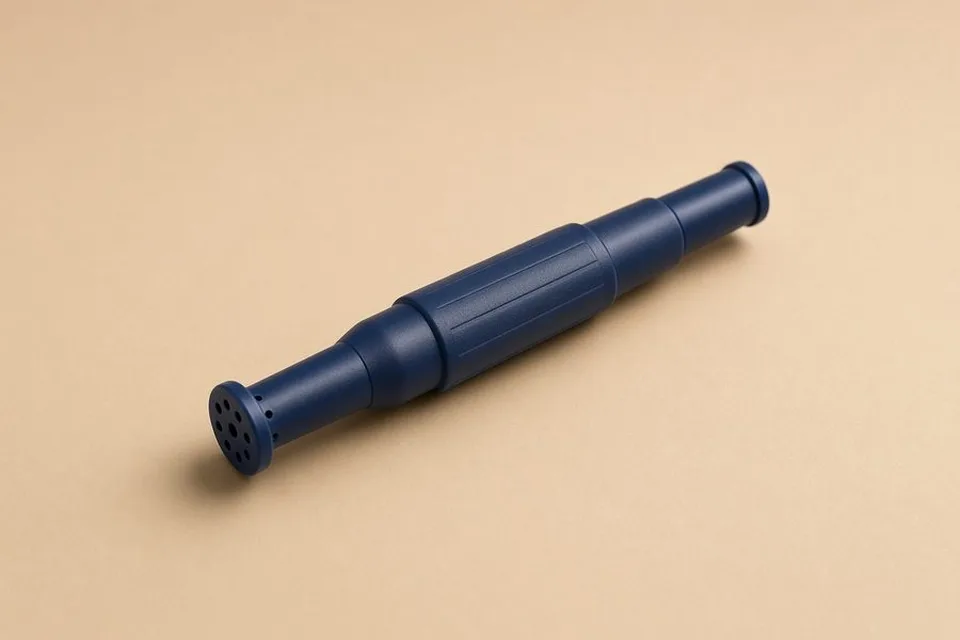
LifeStraw Personal Water Filter
A pocket straw filter for one person at a creek or a bottle. Rated for bacteria and protozoa; it is not a chemical or salt filter. Keep one in each go-bag.
Item page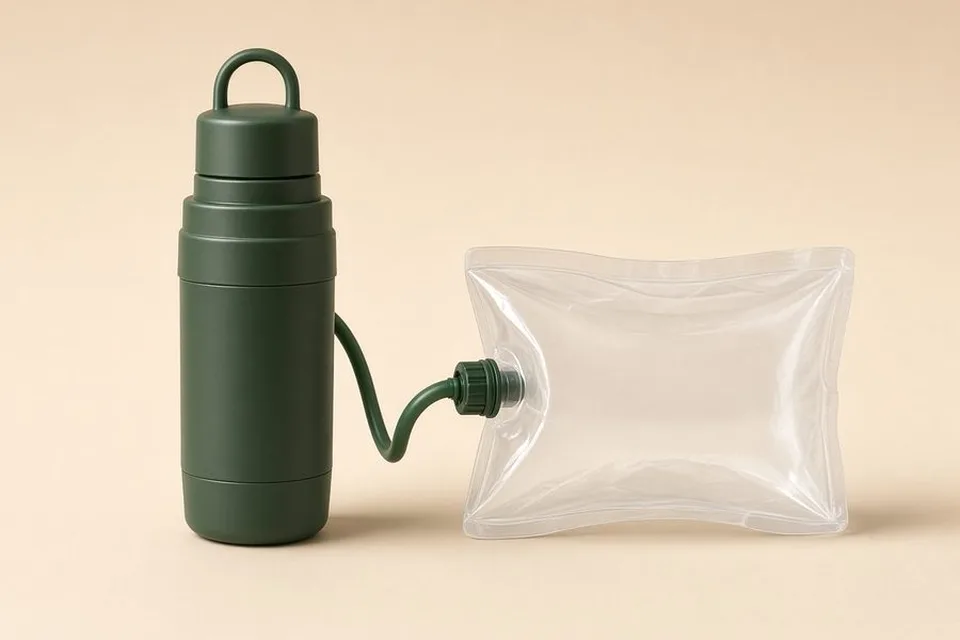
Sawyer Squeeze Water Filtration System
A squeeze filter with pouches that fills clean bottles faster than a straw and can feed a family more easily. Follow the label for what it removes.
Item page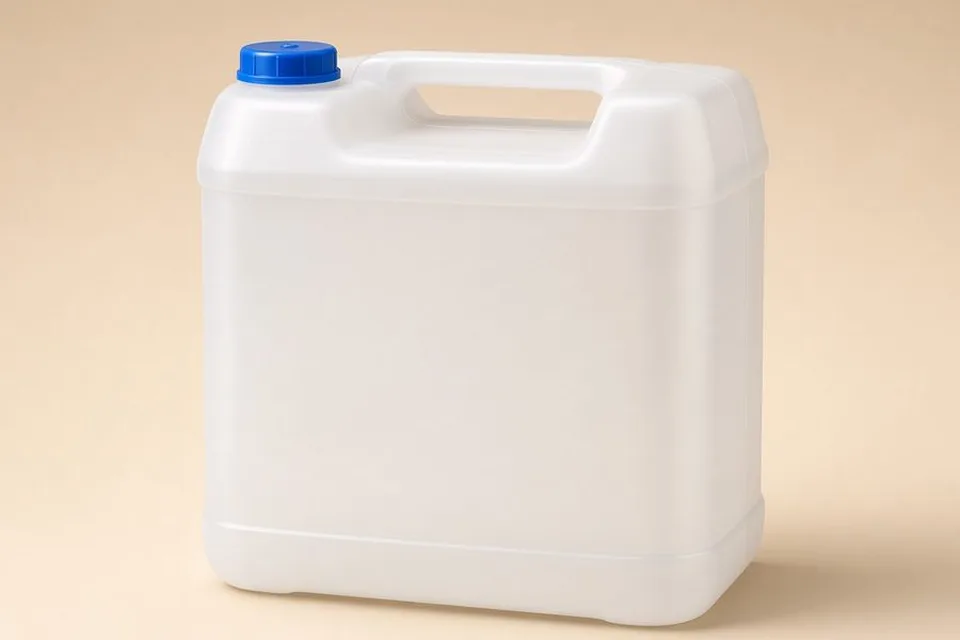
Reliance Aqua-Tainer 7-Gallon Water Container
The renter-sized workhorse jug. Four of these cover two people for about two weeks at the Ready.gov 1-gallon baseline.
Item page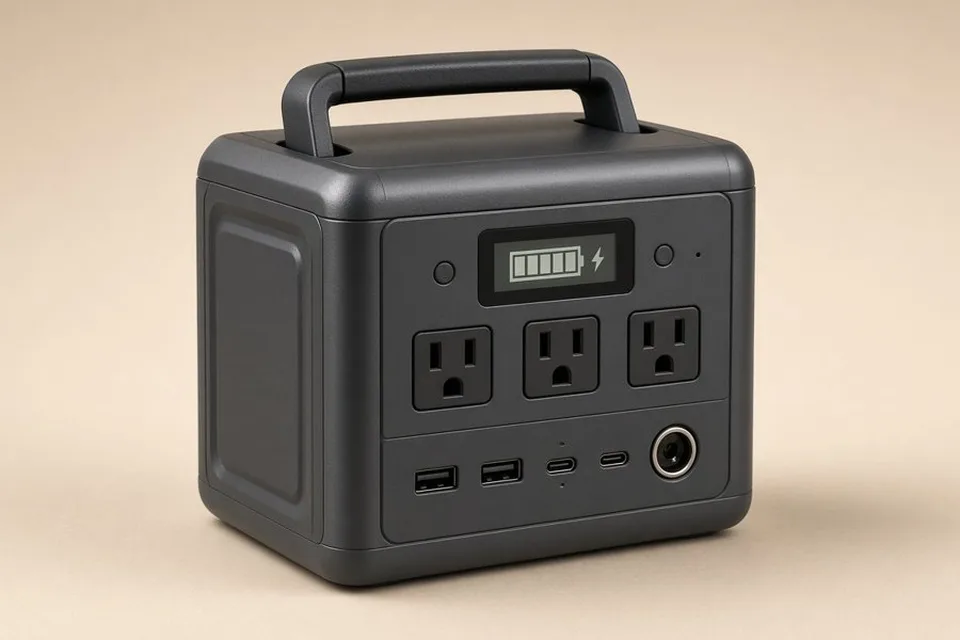
Jackery Explorer 300 Portable Power Station
A mid-size power station for phones, a radio, a CPAP conversation with your clinician, and small lights. Do the watt-hour math in the power chapter.
Item page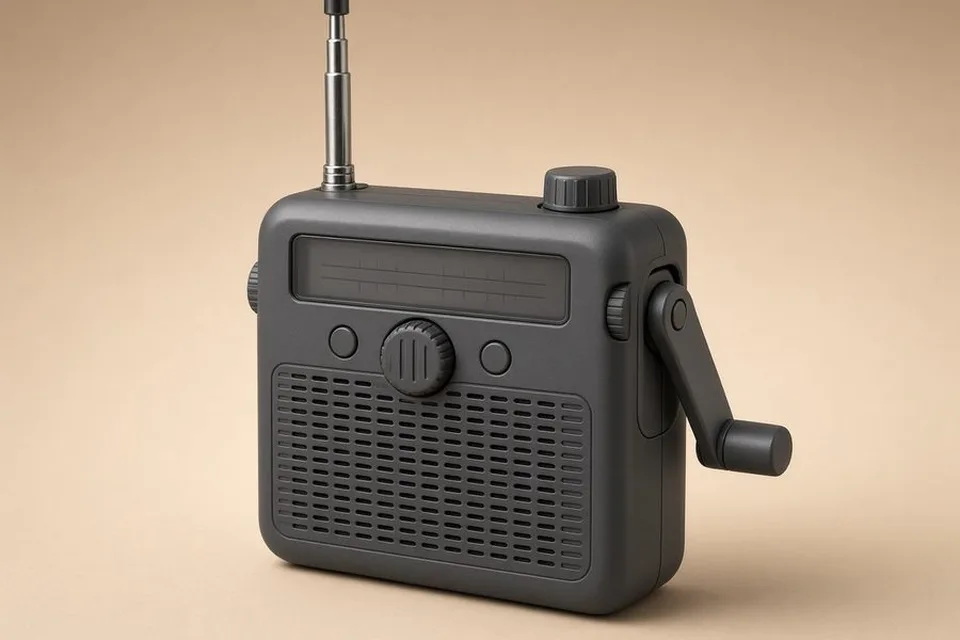
RunningSnail Emergency Crank NOAA Weather Radio
A hand-crank, solar, and battery NOAA weather radio so official alerts do not depend on home Wi-Fi.
Item page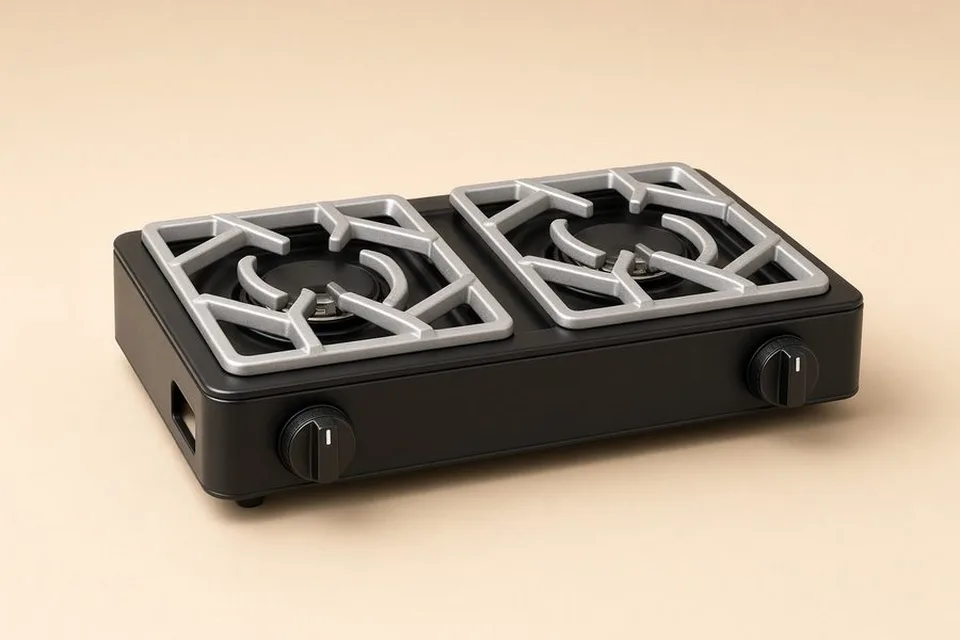
Coleman Classic 2-Burner Propane Camp Stove
A familiar outdoor propane stove for boiling water and heating canned food. Use it outdoors only. Never as a heater.
Item page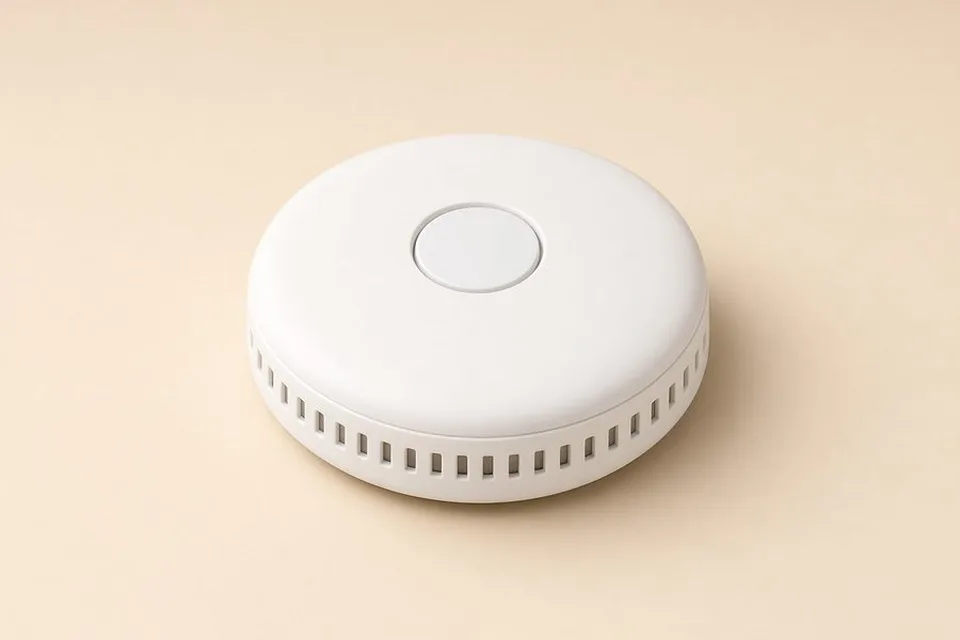
First Alert Battery Carbon Monoxide Alarm with Digital Display
A battery CO alarm you can use when the wall outlets are dead. Put one outside sleeping areas. Test it.
Item page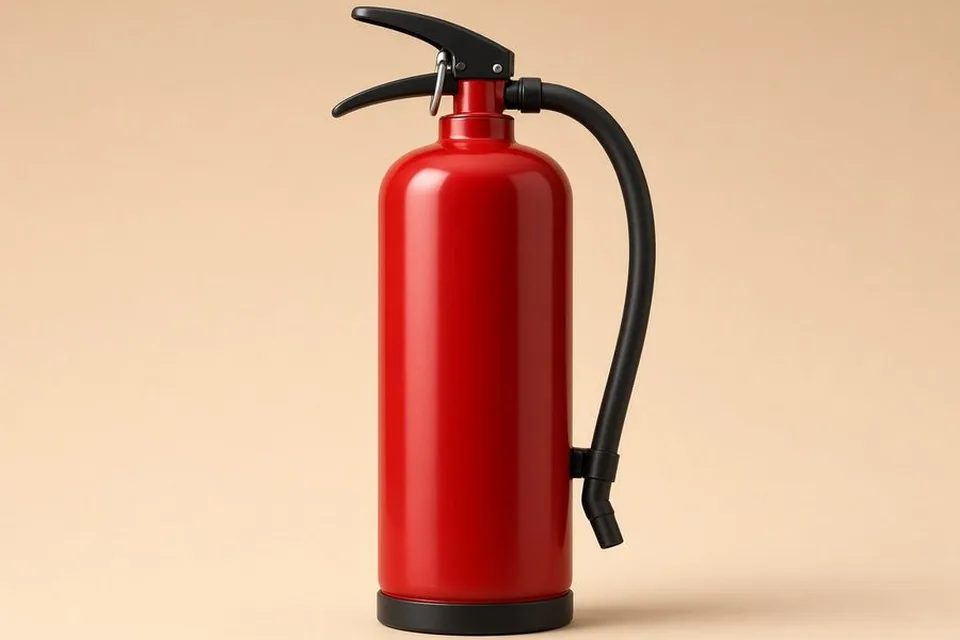
Kidde FA110 Home Fire Extinguisher
A small ABC extinguisher for kitchen and generator-adjacent fire risks. Know the PASS method and your exit.
Item page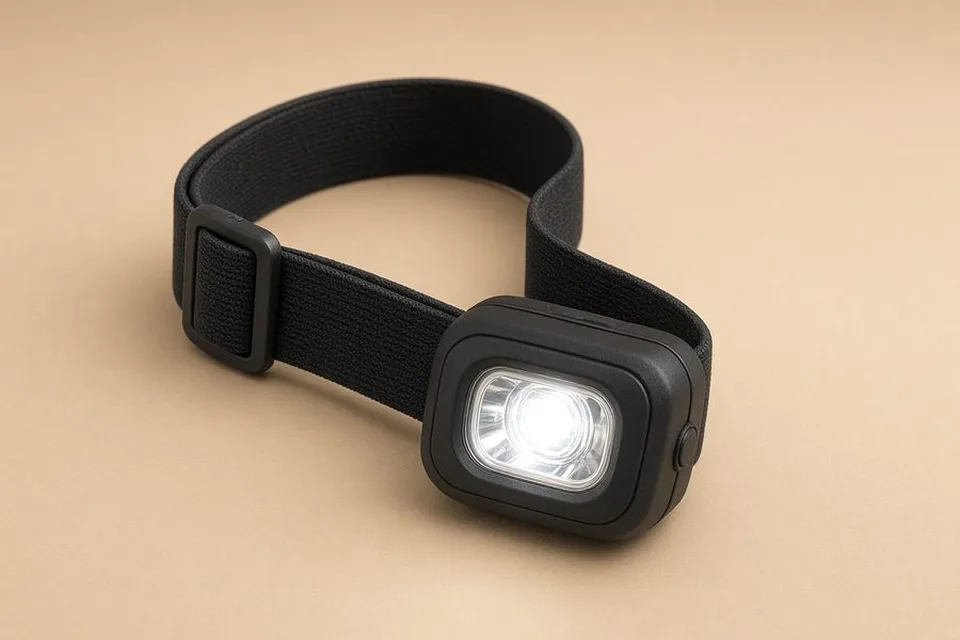
Energizer Vision HD+ LED Headlamp
Hands-free light for locking up, treating water, and moving in a dark house without burning a phone battery.
Item page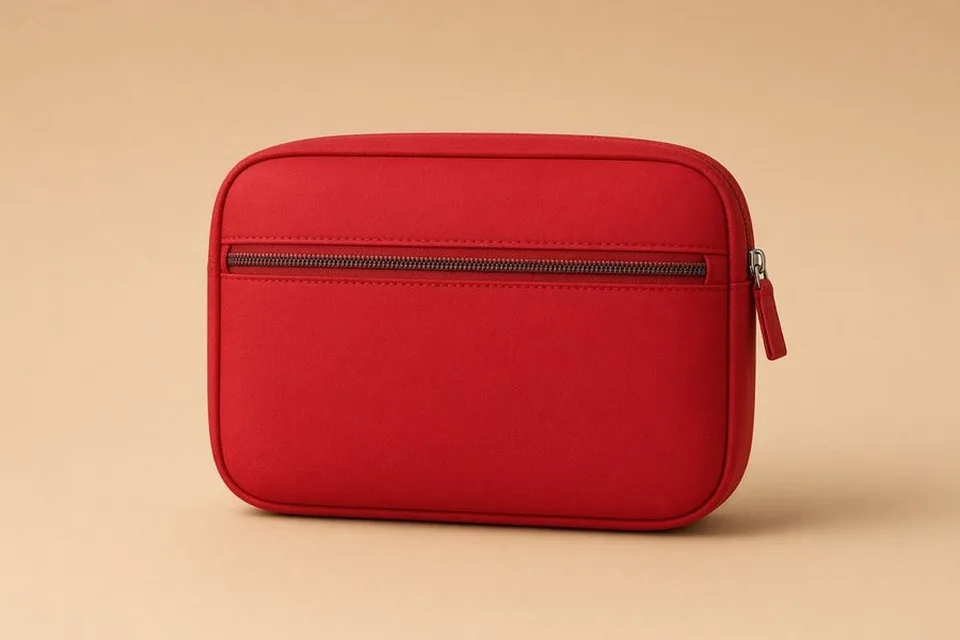
Swiss Safe 120+32 Piece First Aid Kit
A household first-aid kit you can actually find in the dark. Add your personal extras: glucose, an inhaler, spare glasses.
Item pageWhy these 10 come first
Water, alerts, light, first aid, fire, carbon monoxide, and a way to boil or cook outdoors solve more real outages than specialty tools.
Ready.gov's basic kit includes water, food, a flashlight, a NOAA weather radio, a first-aid kit, and related supplies. CPSC and CDC put generator and carbon monoxide rules in a class by themselves: a kit that includes a generator and no CO alarm is not a complete kit.
A personal straw filter belongs in a go-bag. A squeeze filter fills bottles faster for a household. Rigid 7-gallon jugs are how renters store a two-week layer without a 460-pound barrel. A mid-size power station covers phones and a radio.
The current Top 10, in order, are a LifeStraw Personal filter, a Sawyer Squeeze system, a Reliance 7-gallon Aqua-Tainer, a Jackery Explorer 300-class power station, a hand-crank NOAA radio, a Coleman Classic outdoor propane stove, a battery First Alert carbon monoxide alarm, a Kidde FA110-class extinguisher, an Energizer headlamp, and a Swiss Safe first-aid kit. Each has a dedicated page under /gear/. Details and current links live in the Top 10 section.
How to buy without turning the book into an ad
Amazon Associates rules do not allow affiliate links inside e-books and similar paid digital files, so the book points at this website instead.
Scan a gear QR code in the book and you land on a stable address such as /gear/sawyer-squeeze/. The Buy button on that page may include an Associates tag. Prices change. Stock changes. A listing that was right when the book was built may be replaced; the live page is the place to check.
Nothing here is a requirement to buy ten things this month. Build in the same order as Chapter 3 of the book: several days, then two weeks, then longer if you want the cushion. Official baselines from Ready.gov and the Red Cross still come first.
See the full Top 50 list by category, including gravity filters, chlorine dioxide tablets, unscented bleach and a dropper, a bathtub bladder, a 55-gallon barrel and siphon, sanitation, and lawful door-hardening hardware.
Gear that official pages already expect you to have
If you only remember the Ready.gov list, you will already own several of these items: water, light, a radio, and first aid.
Add the safety pieces people forget until a generator comes out of the shed: a battery CO alarm outside sleeping areas, a working smoke alarm, and a small ABC extinguisher. Ready.gov also tells you to determine whether your home phone will work in an outage.
A headlamp beats a phone flashlight because it leaves your hands free to lock a door, pour water, or check on a child. Store spare batteries next to the lamp, not in a junk drawer you will not find in the dark.
What each Top 10 item is actually for
The first three items handle drinking water for a person, a household, and stored volume. The next two handle phones and official alerts. The last five handle outdoor cooking, carbon monoxide, fire, hands-free light, and injuries.
A LifeStraw-style personal filter is a go-bag tool: one person, water you would not drink raw, typically bacteria and protozoa if the product is used as labeled. It will not strip salt or many chemicals. A Sawyer Squeeze-class system fills clean bottles faster and is easier to share. Follow each label for pore size and for what the maker does not claim.
The Reliance 7-gallon Aqua-Tainer is on the list because water weight is a storage problem. Renters can move a few jugs. A Jackery Explorer 300-class station is a lithium power box measured in watt-hours; it will run phones and a radio, not a central air conditioner. A hand-crank NOAA radio exists because Ready.gov still lists a battery-powered or hand-crank radio and a NOAA weather radio in a basic kit, and because your Wi-Fi router dies with the house power.
A Coleman Classic propane stove belongs outdoors only. Ready.gov and CDC both warn against using camp stoves and ovens as indoor heaters, and the same carbon monoxide logic applies to indoor cooking with unvented fuel. The battery First Alert carbon monoxide alarm is on the list because a plug-in-only alarm goes dark when you need it most. CDC says to install battery-powered or battery-backup CO detectors near sleeping areas.
A small ABC extinguisher (Kidde FA110-class) matches ordinary household fire risks: cooking, candles, and fuel. Know the PASS method from fire-service public education: pull, aim, squeeze, sweep, and get out if the fire is not small. An Energizer headlamp leaves your hands free. A Swiss Safe first-aid kit is a starting point; the book’s medical chapter tells you to add the medicines you actually take and to learn what you are willing to use before you are scared.
None of these ten items replaces leaving a house that is too hot, too cold, or filled with carbon monoxide. They support the official kit idea rather than inventing a new one. Ready.gov’s kit page and the American Red Cross two-week home-supply recommendation are still the backbone.
How to build toward the rest of the Top 50 without panic-buying
After the Top 10, add gravity or countertop filtration if you will treat a lot of water, chlorine dioxide tablets, unscented bleach and a dropper, sanitation, spare light, and door hardware you are allowed to install.
The full list on /gear/ is grouped so you can see water, power and light, safety, sanitation, and defense as separate problems. A Sawyer Mini is a lighter backup filter. A gravity bag helps a family fill bottles without standing there squeezing. A countertop ceramic or carbon system is a kitchen tool when you still have untreated but otherwise reasonable tap or stored water; read what it is certified to reduce.
Katadyn Micropur-type chlorine dioxide tablets and Aquamira-type drops are labeled treatment chemicals. Unscented regular Clorox-class bleach plus glass droppers match the EPA emergency disinfection table. A WaterBOB fills when a storm is forecast. A 55-gallon barrel and a food-safe siphon are for people who have floor strength and a place the barrel will not freeze and split. Coffee filters are prefilters.
Defense items on the longer list are ordinary and lawful: a door-reinforcement kit, pepper gel where legal, battery door alarms. They are not a call to collect weapons. See home security during a blackout. Sanitation items such as a bucket toilet, contractor bags, and wipes match Ready.gov’s kit logic after the water stops flowing.
Product photos on this site are generic stand-ins, not manufacturer packaging, and not scraped Amazon images. Prices listed as “about” figures were checked when the catalog was built and will change. The live Amazon button, if you use it, is the place to see the current offer. As an Amazon Associate, the site owner may earn from qualifying purchases. The printed book’s QR codes open these pages and do not contain ?tag= links.
If you only do one shopping trip after reading this page, prioritize water storage, a way to treat more water, a battery CO alarm, light, a radio, and the medicines you already need. That set tracks official pages more closely than a cart full of gadgets. See the book for worksheets that keep the build-out on a 12-month calendar.
Questions people ask
Does the book contain Amazon affiliate links?
No. QR codes in the book open these website pages. Buy buttons here may include an Amazon Associates tag.
Do I need all 50 items?
No. Start with official kit items and the Top 10, then add what matches your household and storage space.